Effluent Treatment Plant (ETP) – Complete Guide by Taksh Watertech
· 3 min read · By Taksh Watertech
Effluent Treatment Plants (ETP) – Taksh Watertech
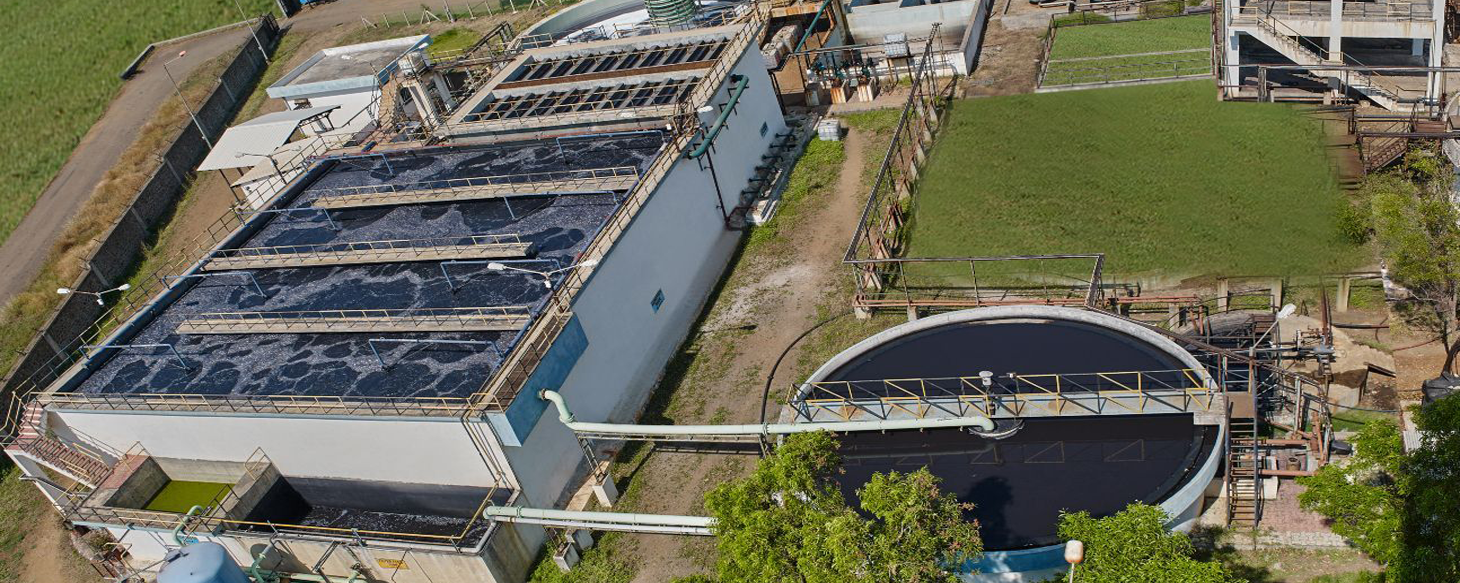
Taksh Watertech designs and builds Effluent Treatment Plants (ETP) that help industries treat wastewater before discharge or reuse. ETPs ensure compliance with pollution control norms while enabling water recovery for process reuse and reducing environmental impact.
What is an Effluent Treatment Plant (ETP)?
An ETP is a multi-stage wastewater treatment system used to clean industrial effluents. It removes physical, chemical, and biological contaminants so that the water can be reused or safely released into the environment. Each stage in the process is carefully designed to handle the load and type of pollutants generated by the industry.
ETP Process Flow
The flow diagram below shows the common treatment steps:
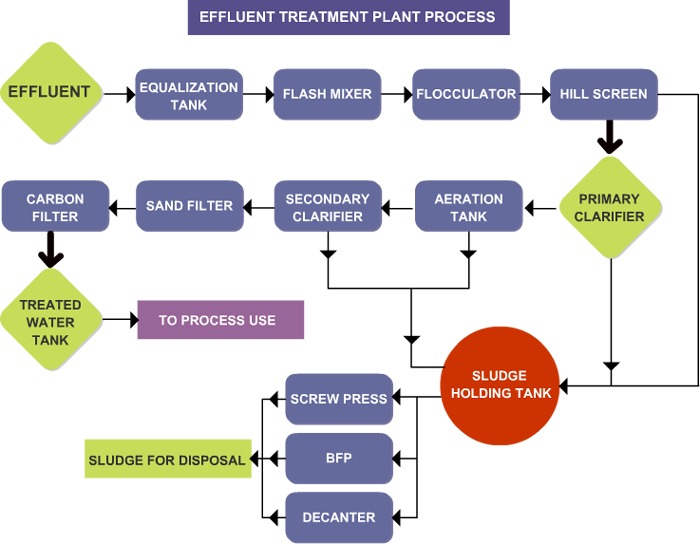
- Equalization Tank: Balances effluent flow and load variations by mixing wastewater streams.
- Flash Mixer: Chemicals such as coagulants are added quickly to destabilize suspended particles.
- Flocculator: Gentle mixing promotes the formation of larger flocs for easier settling.
- Hill Screen / Primary Clarifier: Removes grit, oil, and large solids through screening and settling.
- Aeration Tank: Biological treatment where microorganisms consume organic pollutants, reducing BOD and COD.
- Secondary Clarifier: Separates treated water from biological sludge.
- Sand & Carbon Filters: Polishing stage to remove fine particles, odor, and color.
- Treated Water Tank: Stores clean water for safe discharge or reuse in industrial processes.
Sludge Management
During treatment, sludge is generated at various stages. This sludge is transferred to a Sludge Holding Tank, then processed using equipment like screw presses, belt filter presses (BFP), or decanters. The dried sludge is finally disposed of safely or used as manure/fuel depending on its characteristics.
Why is ETP Important?
- Environmental Protection: Prevents untreated effluent from polluting rivers, lakes, and soil.
- Regulatory Compliance: Meets statutory norms from pollution control boards.
- Water Reuse: Enables industries to recycle treated water, reducing fresh water consumption.
- Cost Efficiency: Minimizes penalties, disposal costs, and promotes sustainable operations.
Industries Using ETPs
ETPs are widely used in industries such as:
- Chemical & Pharmaceuticals
- Textiles & Dyeing
- Food & Beverages
- Paper & Pulp
- Automobile & Metal Processing
FAQs
Q1: How is ETP different from STP?
ETP treats industrial wastewater, while STP (Sewage Treatment Plant) handles domestic sewage.
Q2: Can treated water be reused?
Yes, depending on the industry and treatment level, treated water can be reused for utilities, gardening, or even process needs.
Q3: What happens to the sludge?
Sludge is thickened, dewatered, and then disposed of according to environmental regulations or repurposed where feasible.
Taksh Watertech Advantage
With strong expertise in turnkey water solutions, Taksh Watertech offers customized ETPs with design, erection, commissioning, and O&M support. Our focus on automation and sustainability ensures reliable performance, low operating costs, and regulatory peace of mind.